
Email marketing remains one of the most reliable ways to build relationships, nurture prospects and generate repeat sales. But sending the same message to every subscriber is no longer enough. The real advantage comes from email marketing automation: using customer actions, useful data and well-designed workflows to deliver the right message at the right moment.
With the right strategy and tools, a small team can create relevant customer journeys, follow up consistently and improve results without manually sending every email. Here is how to build an automation system that is efficient, measurable and ready to scale.
What Is Email Marketing Automation?
Email marketing automation is the use of software to send targeted emails automatically when a subscriber takes a particular action or reaches a defined point in a customer journey. Triggers can include signing up for a newsletter, downloading a resource, abandoning a shopping cart, making a purchase or becoming inactive.
Instead of treating your list as one large audience, automation lets you segment contacts and respond to their interests. A new subscriber might receive a welcome series, while a returning customer receives product education or a loyalty offer. This makes communication more timely and useful.
Essential Automation Workflows to Build
1. Welcome and onboarding sequence
Start with a warm welcome immediately after someone subscribes. Introduce your brand, explain what subscribers can expect and deliver any promised lead magnet. Follow with a short sequence that shares your best resources and guides readers toward a relevant next step.
2. Lead nurturing sequence
Not every subscriber is ready to buy. Use educational emails to answer common questions, explain your solution and share case studies. Segment the sequence according to interests or the pages and resources a contact engages with.
3. Abandoned-cart and post-purchase emails
For online stores, a carefully timed cart reminder can bring shoppers back to an unfinished order. After a purchase, send confirmation and helpful product guidance, then request feedback or recommend complementary products when appropriate.
4. Re-engagement campaigns
Contacts who have stopped opening emails may need a different approach. Send a concise check-in, offer preference controls and remove or suppress persistently inactive addresses when appropriate. This protects list quality and helps keep engagement data meaningful.
Email Marketing Automation Tools Worth Considering
Mautic: A flexible marketing automation platform for businesses that want control over campaigns, contact segments, forms, landing pages and lead scoring. It is especially useful when you need customizable workflows and the ability to connect marketing activity with your own website and infrastructure.
Brevo: Combines email campaigns, automation and customer communication features in one platform. It can suit businesses looking for an approachable way to manage newsletters and lifecycle messaging.
Mailchimp: Offers email campaign creation, audience management and automation features, making it a familiar option for creators and small businesses getting started.
ActiveCampaign: Provides advanced automation and customer segmentation capabilities for teams that need detailed branching journeys and sales follow-up processes.
Kit: Designed with creators in mind, with subscriber tagging, sequences and forms that support newsletters, digital products and audience-building workflows.
Compare each platform’s current pricing, contact limits, sending allowances, integrations and deliverability features before committing. The best tool is the one your team can operate consistently and that supports your actual customer journey.

How to Optimize Automation for Better Results
Start with clean, permission-based data. Use clear signup language, confirm consent where required and keep your forms focused. Never buy email lists. Remove invalid addresses and manage unsubscribes promptly.
Segment before you personalize. Group subscribers by interests, signup source, purchase history or engagement. Use relevant details naturally, but do not over-personalize with data that customers did not expect you to use.
Write for one clear action. Every email should have a useful purpose and a visible call to action. Keep subject lines honest, make the message easy to scan on mobile and ensure links lead to the promised destination.
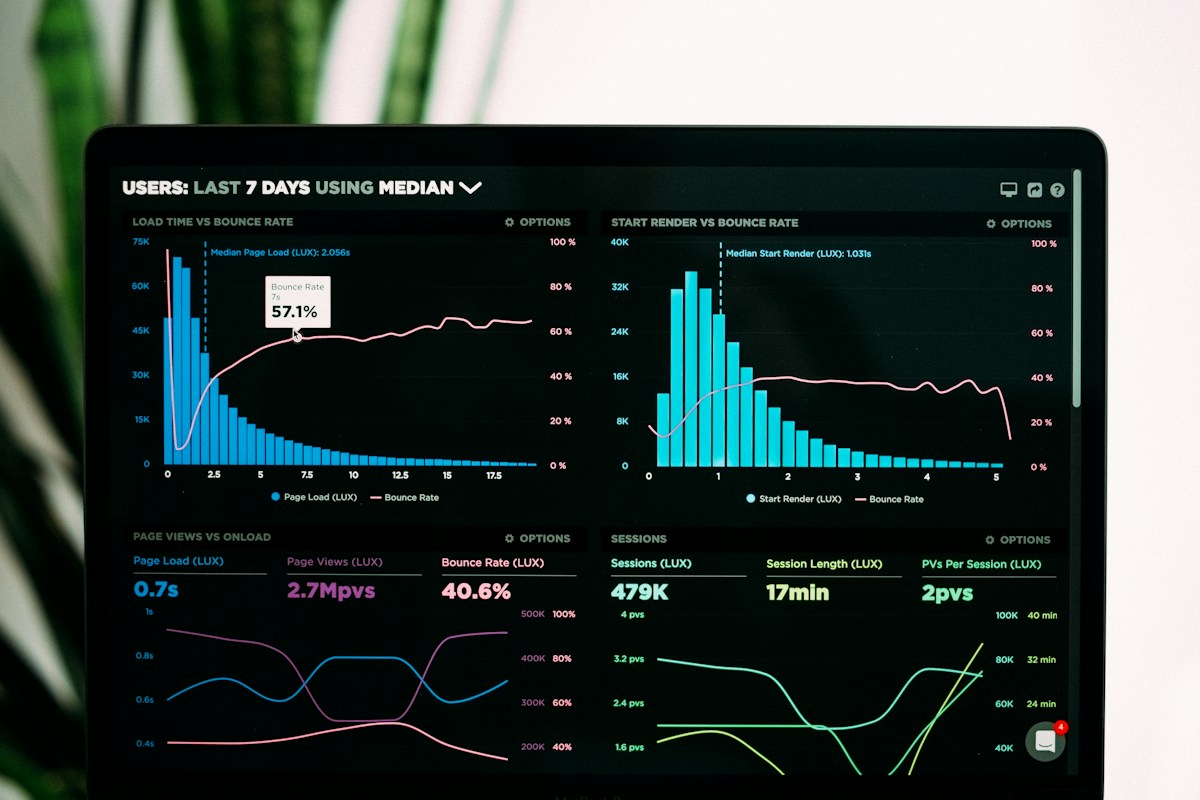
Test and measure continuously. Test subject lines, send times, message length and calls to action. Track delivery, bounce rate, click-through rate, conversions, unsubscribes and revenue where relevant. Opens can be distorted by privacy features, so avoid treating open rate as your only success measure.
Review workflows regularly. Check that triggers, links, forms and suppression rules still work. Set sensible frequency limits so subscribers do not receive overlapping campaigns, and make it easy for them to update preferences.
Build a System That Gets Smarter Over Time
Email automation works best when strategy comes before software. Map the customer journey, choose a small number of high-value workflows and launch them with clear goals. Then use performance data and subscriber feedback to improve each step.
Whether you choose Mautic, Brevo, Mailchimp, ActiveCampaign or Kit, focus on relevance, consent, reliable delivery and measurable outcomes. A thoughtful automation system turns email from a series of isolated broadcasts into an ongoing relationship with your audience.